Influencer dental deals: the ad rules and how to read a sponsored smile
When an influencer gets their teeth done for free or at a discount, their posts about it are advertising under UK rules. Knowing what the label should look like helps you weigh what you are watching.
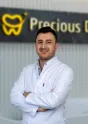 Medically reviewed by Dt. Hüseyin Yavuz Özbek, implant surgeon · Updated October 2026
Under the UK CAP Code, ads must be obviously identifiable as ads. The ASA says that if an influencer has received payment or any other incentive, including free or discounted treatment, their content about that brand must be clearly labelled, ideally with "Ad" at the very start. Labels like "gifted", "sponsored" or a discount code are unlikely to be enough on their own. Both the clinic and the influencer are responsible. A label does not mean the result is bad; it means the post is part of a commercial deal and should be read that way.
Dental tourism and influencer marketing grew up together. A reality TV star flies out, posts the consultation, the hotel, the prep and the reveal, and tags the clinic. Followers message the clinic for prices. It works, which is why so many clinics do it.
There is nothing wrong with an influencer having treatment and talking about it. The question is whether you know when you are watching an advert. In the UK there are clear rules on this, and once you know them, sponsored smiles become much easier to read.
The rule in one line
Rule 2.1 of the UK Code of Non-broadcast Advertising, the CAP Code, says marketing communications must be obviously identifiable as such. A related rule says ads must not falsely imply the marketer is acting as a consumer, and must make their commercial intent clear if it is not already obvious. The Advertising Standards Authority (ASA) enforces the Code, and the Competition and Markets Authority (CMA) enforces the consumer protection law behind it. The CMA publishes its own guidance for content creators on labelling gifted, discounted and promotional posts.
Put simply: if a post is an ad, you should be able to tell straight away, without clicking anything or needing to know how influencer deals work.
When does a dental post count as an ad?
The ASA's guidance on influencer marketing says that if a brand has given an influencer payment or any other incentive, requested or unsolicited, or the influencer has a personal or commercial connection to the brand, content featuring that brand must be obviously identifiable as advertising. In dental terms, that covers:
- treatment given free in return for posts
- treatment at a discount, or with flights and hotel paid
- a fee for posting, on top of the treatment
- an affiliate code or link where the influencer earns from each booking
- an influencer who owns, works for or has a stake in the clinic or booking company
The ASA is specific about affiliate links: when an influencer includes one, they are acting as an advertiser, and any content about that product counts as advertising. The ASA also usually treats the brand as at least jointly responsible, whether or not it controlled the post.
So the influencer who mentions their "amazing clinic" with a code for 10% off in the caption is advertising. So is the one who got their crowns free and posts an "honest review".
What a proper label looks like
The ASA's guidance is detailed and fairly strict.
- Use "Ad". The ASA and CMA prefer labels that call the content advertising outright: "Ad", "Advert", "Advertising" or "Ad feature". A "#" is optional, as long as the label stands out.
- Put it first. It should appear upfront, which usually means at the beginning, so you notice it before you engage with the post.
- Do not bury it. A label hidden in a block of hashtags at the end, in a colour that is hard to read, or below the "See more" cut-off is not enough.
- Be clear. The ASA advises against "sponsored", because people read it in different ways, and says labels like "gifted", "supported by", "in association with" and "thanks to X for making this possible" are unlikely to be sufficient.
- Platform tools help, but may not be enough. Instagram's "Paid partnership" tag may work if it is clear and prominent, but the ASA says its research suggests it may not be enough on its own, and recommends adding "Ad" if in doubt.
The ASA's own research found that posts with discount codes were not recognised as ads by most people. That is why a code is never a substitute for a label.
What the label does and does not tell you
An "Ad" label is not a warning that the treatment was bad. Plenty of influencers who get treatment as part of a deal are genuinely happy with it. What the label tells you is that the post is part of a commercial arrangement, and that changes how much weight it can carry.
A few things to keep in mind when you see one:
- The experience may not be typical. Someone whose posts are the point of the deal is not an ordinary patient from the clinic's point of view.
- The clinic may have a say. Where a brand has control over what an influencer posts, the ASA treats the content as the brand's advertising. Assume the final edit is one both sides were happy with.
- The timing is early. Deal posts often focus on the trip and the reveal. Six months later is when you learn how the crowns are settling, and that post may never come.
- Filters still matter. The ASA has ruled against influencer ads where filters exaggerated what a product could do. For a smile, the teeth are the product.
When the ASA looked at a Turkish dental ad
In November 2022 the ASA upheld all three issues it investigated in ads for a dental facilitator that booked UK patients into clinics in Turkey. The ads included a website, a Google ad and Instagram posts, some featuring well-known reality TV personalities. The ASA found that the ads misleadingly implied the company had a UK head office, and that it carried out dental work and managed the clinics itself, when it was a booking service. It also found that a reference to London's Harley Street suggested UK dental standards applied. The ASA ruled that the ads must not appear again in their current form.
The ruling was about misleading claims rather than missing labels, but it is a useful reminder. A famous face in a dental ad tells you who was paid to appear, not who did the dentistry, under which rules, or what happens if something goes wrong.
How to check any clinic's posts
You do not need to take a clinic's word, or an influencer's, for anything. These checks work for every clinic, ours included.
On the post
- Is there an "Ad" label at the start? If not, is there a discount code, affiliate link or "gifted" note that suggests there should be?
- Does the caption say how many teeth were treated, and with what?
- Is there a filter, or any statement that there is no filter?
- Is the clinic named, or only a booking agency or "partner"?
Off the post
- Search the clinic and influencer names on the ASA's rulings page.
- Check the ASA's list of non-compliant social media influencers.
- Look for reviews from ordinary patients on independent platforms. Our reviews page links to ours.
- Ask the clinic for photos of results taken in normal light, with consent, rather than reposted influencer content. Ours are on our real results page and show Precious patients who gave written consent.
- Get a written plan for your own teeth. That is the only thing that tells you what a clinic would actually do for you.
If you see a dental ad you think breaks the rules, you can complain to the ASA through its website.
About this site
This site is published by Precious Dental, a licensed clinic in Antalya, and we benefit if you choose us. Our advertising disclosure explains that in full. We would rather you judged our posts by the same checks as everyone else's than took our word for anything. Our article on Turkey teeth on social media covers the other side of this: how lighting, filters and editing change what a smile video shows.
Skip the feed and get a plan
An influencer's result is a plan for their mouth. If you want to know what crowns would involve for yours, send us your X-rays and photos. Our free written plan lists every tooth, what we would suggest and why, so you can compare it with anything else you have seen or been offered.
Common questions
Does free dental treatment for an influencer count as an ad?
Yes, under UK rules. The ASA's guidance says that if a brand gives an influencer payment or any other incentive, requested or not, content featuring that brand needs to be obviously identifiable as advertising. Free or discounted treatment is an incentive.
Is "gifted" or "sponsored" enough?
Usually not. The ASA advises against "sponsored" because people read it in different ways, and says labels like "gifted", "in association with" or "thanks to X" are unlikely to be sufficient. "Ad" at the start is the label it prefers.
Does a discount code make it an ad?
If the influencer earns from the code or link, yes, and the ASA treats affiliate content as advertising. But a code on its own is not a label: the ASA's research found most people did not recognise posts with discount codes as ads.
Where can I report an unlabelled dental ad?
You can complain to the Advertising Standards Authority through its website. The ASA also publishes rulings and a list of social media influencers it considers non-compliant, which are worth searching before you trust a post.
Does Precious Dental work with influencers?
We would rather you judged any clinic's posts, including ours, by the same checks in this article than by anything we say about ourselves. Our advertising disclosure explains how this site is funded.
Sources
- ASA/CAP. UK Code of Non-broadcast Advertising, Section 02: Recognition of marketing communications
- ASA/CAP. Recognising ads: Social media and influencer marketing
- ASA/CAP. Influencers' guide to making clear that ads are ads
- Competition and Markets Authority (2019, updated 2025). Social media endorsements: guidance for content creators. GOV.UK
- ASA (2022). Ruling on Dental Centre Turkey UK Ltd
- ASA. Non-compliant social media influencers
- ASA/CAP (2021). The (mis)use of social media beauty filters when advertising cosmetic products
Checked October 2026. Where we give our own view as a clinic, we say so.
Send a selfie smile. Get a written crown plan.
A few photos of your teeth or a recent X-ray is enough to start. A dentist looks at them and you get a written plan: which teeth, which material, why, and the price in pounds. If you don't need crowns, we'll tell you.