Medical disclaimer
This site explains crowns in general. Only a dentist who has examined your teeth, and seen X-rays where needed, can say what your own mouth needs.
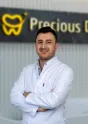 Medically reviewed by Dt. Hüseyin Yavuz Özbek, implant surgeon · Updated October 2026
This disclaimer applies to everything on Dental Crowns Turkey, including the main guides and the blog.
General information, not a diagnosis
Our pages are meant to help you understand crowns and to think of good questions for a dentist. They are not a diagnosis, a treatment plan or a recommendation that you have any particular procedure. Whether a tooth needs a crown, whether it can take one, how much of it would need to be prepared and which material suits it are decisions for a dentist who has examined you. Very often that also needs X-rays.
Any plan we send after seeing your photos or X-ray is provisional. It may be confirmed, changed or occasionally withdrawn once you have been examined in person.
Crowns change your teeth for good
Fitting a crown usually means reducing the tooth on all sides so the crown can sit over it. That tooth structure does not come back, and the tooth will need a crown, or a replacement crown, from then on. Some prepared teeth later become sensitive or need root canal treatment. Please weigh that up carefully, especially for healthy teeth, and ask the dentist planning your treatment how much tooth will be removed and why.
Results differ from person to person
Research figures we quote describe groups of patients in specific studies, not you. How your crowns look, how they feel, how your gums settle and how long the work lasts all vary. Grinding, gum disease, decay elsewhere in the mouth, smoking and how well you clean all make a difference. Nothing on this site promises a particular outcome, and before-and-after photos show what happened for those patients, not what will happen for you.
Medicines and health conditions
Some articles touch on medical conditions or medicines, such as blood thinners. Do not stop, start or change any prescribed medicine because of something you read here. Talk to the doctor who prescribed it, and tell any dentist treating you about everything you take.
If you have a problem now
- Call 999 or go to A&E if swelling is making it hard to breathe or swallow, if bleeding will not stop despite firm pressure, or if you feel very unwell with a high temperature.
- For severe toothache, new swelling, or a crown that has broken or come off, contact the clinic that treated you the same day. In the UK you can also use NHS 111 for urgent dental advice.
If a crown comes off, keep it safe and do not try to glue it back with household adhesive. Our own patients can reach us on WhatsApp at any time. Guarantee terms for crowns are summarised on our guarantee page.
Who is giving this information
Precious Dental, our clinic in Antalya, publishes the site, and Dt. Hüseyin Yavuz Özbek reviews its medical content. We have a commercial interest in what you decide, which our advertising disclosure explains.
Links and trademarks
When we make a medical point, we link to the NHS, a professional body or a published study so you can check it. We do not control those sites, and their content can change after we last checked. IPS e.max is a trademark of Ivoclar, and other product and material names belong to their owners. We mention them only to make clear which product we mean, and we are not affiliated with any manufacturer.
To have a dentist look at your own teeth, send photos or an X-ray through the contact page or on WhatsApp for a free written plan. The rest of the small print is in our terms of use.
Send a selfie smile. Get a written crown plan.
A few photos of your teeth or a recent X-ray is enough to start. A dentist looks at them and you get a written plan: which teeth, which material, why, and the price in pounds. If you don't need crowns, we'll tell you.